
Ecommerce Development
Online shops that are quick to buy from and easy to run.
Selling your products online: the shop itself, the payments, the delivery options, and the back office where you manage orders.
An ecommerce website lives or dies on two things. How fast someone can go from interested to paid, and how little work each order creates for you afterwards. We build online stores for both ends of that, not just the storefront.
What's included
What you actually get
Product pages that sell
Clear photos, honest details, stock status and delivery cost shown before the customer has to ask.
Checkout without the drop off
Short forms, guest checkout, saved details and the payment methods your customers actually use.
Payments set up properly
Cards, Apple Pay, Google Pay and buy now pay later where it fits, with refunds handled cleanly.
Stock and order management
One place to see what sold, what is left, what needs packing and what is already on its way.
Delivery and tax rules
Shipping zones, rates, VAT and country rules configured so the totals are always right.
Recover abandoned baskets
Automatic reminders for people who nearly bought, usually one of the fastest wins in the whole shop.

Checkout without the drop off
Short forms, guest checkout and the payment methods your customers actually reach for.
In more detail
How this actually works
The back office decides whether you can grow
Most ecommerce advice is about the storefront, but the thing that caps a growing shop is the twenty minutes of admin each order creates. We spend as much design effort on picking, packing, stock and returns as on the product page, because that is what decides whether doubling orders is good news.
We pick the platform to fit your catalogue
A twelve-product brand and a ten-thousand-line catalogue need different answers. Sometimes that is a hosted platform you can run yourself, sometimes a custom build. We recommend based on your catalogue, your margins and who will be maintaining it, not on what we prefer to build.
Speed converts, particularly on mobile
Most shopping now happens on a phone, often on a poor connection. Every hundred milliseconds of load time shows up in the conversion rate, which is why we hold a hard performance budget on product and checkout pages specifically.
How a project runs
Four stages, priced before each one
Typically 4 to 10 weeks
Catalogue and platform decision
We look at how many products you have, how they vary, and who will run the shop day to day, then recommend the platform that fits.
Storefront design and build
Product, category and checkout pages designed for the buying decision, then built against a strict speed budget.
Payments, shipping and tax
Payment methods, shipping zones, rates and VAT rules configured and tested so the totals are always right.
Launch and first weeks
Migration, redirects, a launch checklist and close attention through the first trading weeks when the real edge cases appear.
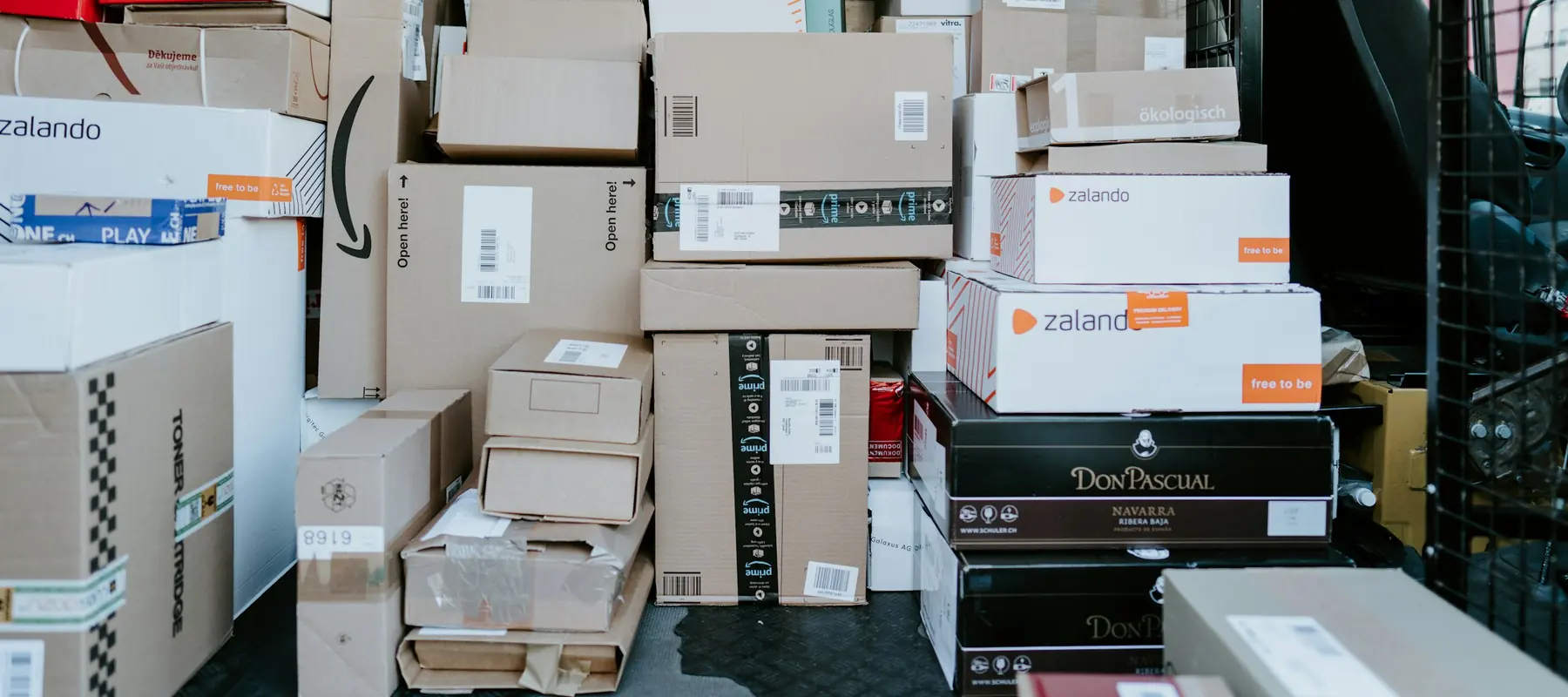
Easy to run at volume
One place to see what sold, what is left, what needs packing and what is already on its way.
Who it's for
This is usually the right fit if…
- Retailers moving from social selling to a real shop
- Brands on a slow store losing sales at checkout
- Businesses selling both online and in person
- Shops where each order still creates manual admin
Most often used in
Questions
Common questions
Yes. Products, customers and order history can be migrated, and we set up redirects so you do not lose your Google rankings.
From a dozen to tens of thousands. We pick the right platform for your catalogue size rather than forcing one on you.
We can advise on it and arrange it, and we always optimise the images so they do not slow the shop down. Good product photography is usually the highest-return money in an ecommerce budget.
Stripe, PayPal, Apple Pay, Google Pay and the main buy now pay later providers. We will compare the fee structures against your average order value before recommending one.
Yes, and it usually should. Orders flowing into your accounts automatically removes one of the biggest sources of monthly admin.
Shipping zones, tax rules and country-specific requirements get configured as part of the build so the totals customers see are correct.
For some products that is genuinely the better answer, and we will say so. Marketplaces bring volume but take margin and the customer relationship. Most growing brands end up doing both.
Also useful
Other services
Website Design and Development
We design and build your website from scratch. That means the pages people land on when they search for you, click your ad, or tap the link in your bio.
Learn more02Web App and SaaS Development
A web app is software that runs in a browser, like a dashboard, a booking system or a customer portal. You log in, do the work, and nothing needs installing.
Learn more03AI Services and Integration
We build AI into your business where it genuinely helps: answering customer questions, reading documents, drafting replies, or handling the repetitive work nobody enjoys.
Learn more04Custom Software Development
Software made specifically for your company, instead of forcing your business to fit a product that was built for somebody else.
Learn moreTell us what's slowing the business down.
A short call and an honest answer about what to build, and what not to. No obligation, no sales script.