Custom Software Development
Inventory, CRM, bookings and dispatch, built for your business.
Software made specifically for your company, instead of forcing your business to fit a product that was built for somebody else.
Off the shelf systems cover the middle eighty percent and leave out the parts that make you different. Custom software development fits the whole job: your stock rules, your pricing, your approval steps, your paperwork. It also ends the monthly fees for features you never use.
What's included
What you actually get
Stock and inventory systems
Know what you have, where it is and when to reorder, across locations, suppliers and sales channels.
Customer and sales systems
Every enquiry, quote, call and deal in one CRM, so nothing falls through the cracks between staff.
Booking and scheduling
Appointments, jobs, rooms, drivers or engineers allocated without the double bookings.
Operations and dispatch platforms
Jobs assigned, tracked and closed off, with the status visible to everyone who needs it.
Customer portals
Give clients a login to check their orders, invoices or progress instead of emailing you for updates.
Reports you will actually read
The handful of numbers that run your business, on one screen, correct every morning.
Your rules, not a product's
Your pricing, approval steps and stock logic, rather than the eighty percent an off the shelf tool covers.
In more detail
How this actually works
The honest build-versus-buy conversation first
Custom software is the right answer less often than software companies suggest. Before quoting, we look at whether an existing product plus some configuration would get you ninety percent of the way for a fraction of the cost. When that is true, we say so, and we will help you set it up instead.
Migrating what you already have
Your history matters. Spreadsheets, exports from the old system, even years of accumulated notes get cleaned and imported as part of the project, so the new system launches with your real data in it rather than an empty database and a request that everyone starts again.
Costed across years, not just upfront
Custom software costs more on day one and usually less across three years, once per-user subscriptions and manual workarounds come out. We do that arithmetic with you openly, including the running costs, before you commit to anything.
How a project runs
Four stages, priced before each one
Typically 8 to 20 weeks depending on scope
Discovery workshops
A few sessions with the people who run the process, documenting how it works now and where it costs you time or money.
Recommendation and scope
What to build, what to buy, what to leave alone, with costs and a phase plan. Sometimes this stage ends with us recommending you do not build at all.
Build and migrate
The system built in phases, with your existing data cleaned and brought across rather than abandoned.
Training and handover
Staff trained on the parts they use, documentation written for the business, and a support arrangement if you want one.
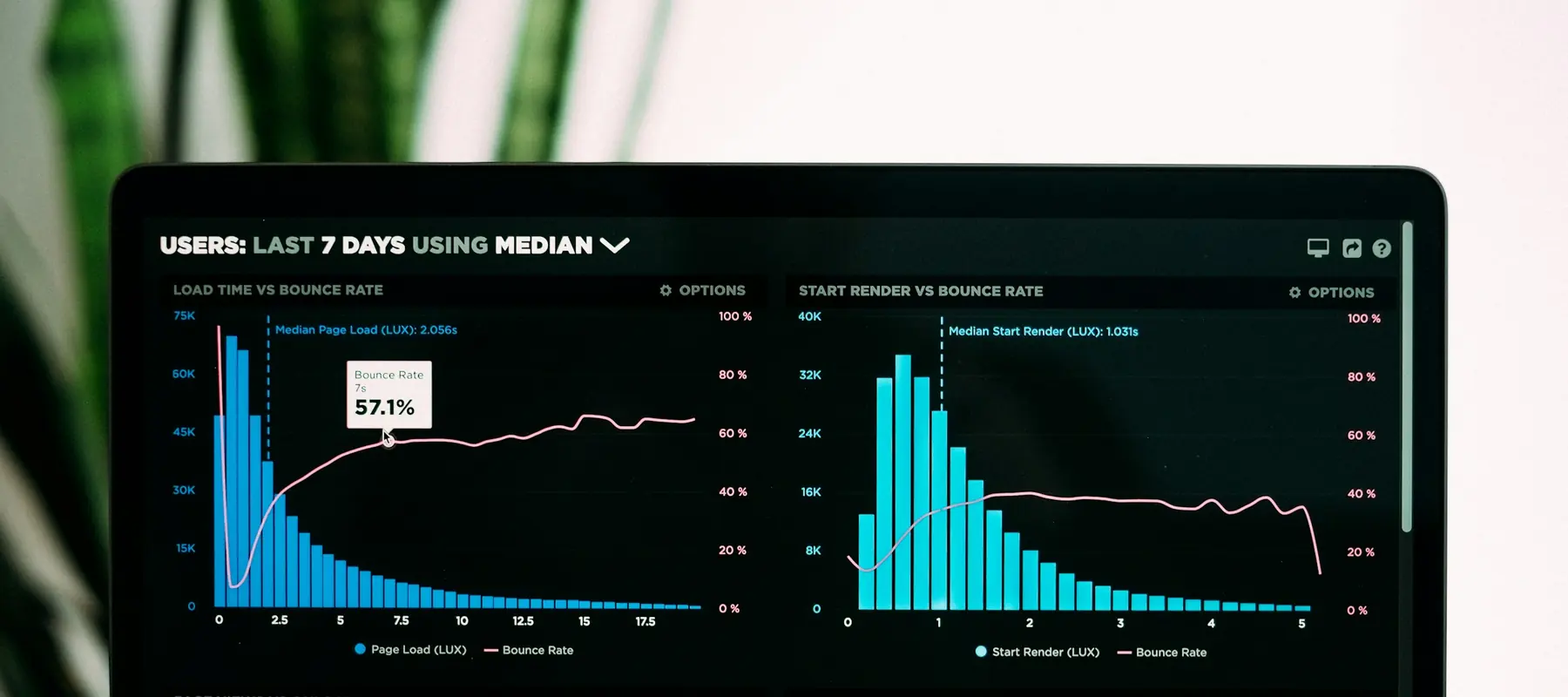
The numbers that run the business
One screen, correct every morning, instead of four exports stitched together in a spreadsheet.
Who it's for
This is usually the right fit if…
- Businesses outgrowing spreadsheets and paper
- Operations teams stitching together three or four tools
- Companies with a process no standard product supports
- Firms paying per-user fees for software most staff barely use
Questions
Common questions
Yes. Spreadsheets, databases or exports from your current software. Cleaning and importing that data is part of the project, not an extra.
Higher upfront, usually cheaper across a few years once you remove per user subscriptions and manual workarounds. We do that maths with you honestly before you commit.
It gets added. That is the whole point of owning the system rather than renting it, and the cost is a day rate rather than a new licence tier.
Fixed scope and fixed price per phase, with each phase producing something your team can actually use. If a phase grows, we talk about it before the work happens.
Only if it is faster than what they do now, which is why we design with the people doing the work rather than only the person paying for it.
We often extend or fix rather than replace. An audit first tells you whether what you have is worth building on or is quietly costing you more than a rebuild would.
Usually a cloud host in your own account, in your name. For most small and mid-size systems that is a modest monthly figure, and we set out the number before you commit.
Also useful
Other services
Website Design and Development
We design and build your website from scratch. That means the pages people land on when they search for you, click your ad, or tap the link in your bio.
Learn more02Web App and SaaS Development
A web app is software that runs in a browser, like a dashboard, a booking system or a customer portal. You log in, do the work, and nothing needs installing.
Learn more03AI Services and Integration
We build AI into your business where it genuinely helps: answering customer questions, reading documents, drafting replies, or handling the repetitive work nobody enjoys.
Learn more05Workflow Automation
We connect the tools you already use so information moves by itself, with no more re-typing the same order into three systems.
Learn moreTell us what's slowing the business down.
A short call and an honest answer about what to build, and what not to. No obligation, no sales script.